CBAM · Carbon Border Adjustment Mechanism
Do you import steel, aluminium, cement or fertilisers?
Above 50 tonnes a year you have needed authorisation as a CBAM declarant since 1 January 2026. Your first annual declaration, for 2026, is due by 30 September 2027.
Until your first CBAM declaration
321 days
The first CBAM declaration was due by 30 September 2027.
1 Jan 2026
Authorisation needed above 50 tonnes a year
1 Feb 2027
Certificates for 2026 on sale
Six kinds of goods, and what is made from them
Raw steel is not the only thing that counts. Tubes, bolts, screws and aluminium structures fall under CBAM too. Whether your product does depends on its CN code.
-
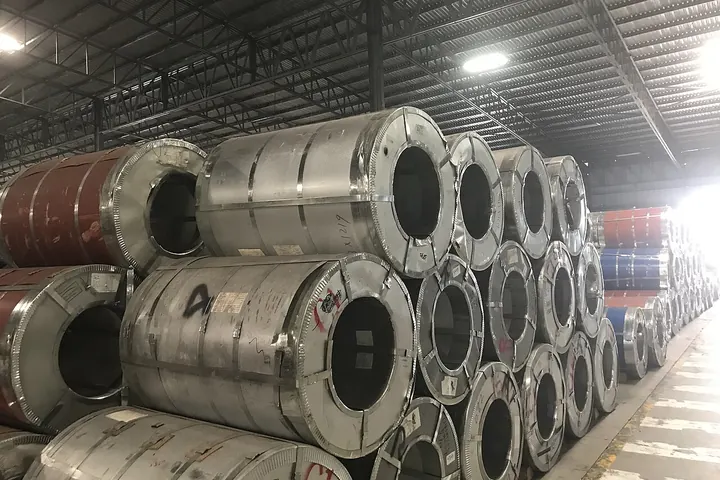
Iron and steel
Coils, plates, tubes, bolts, screws
-
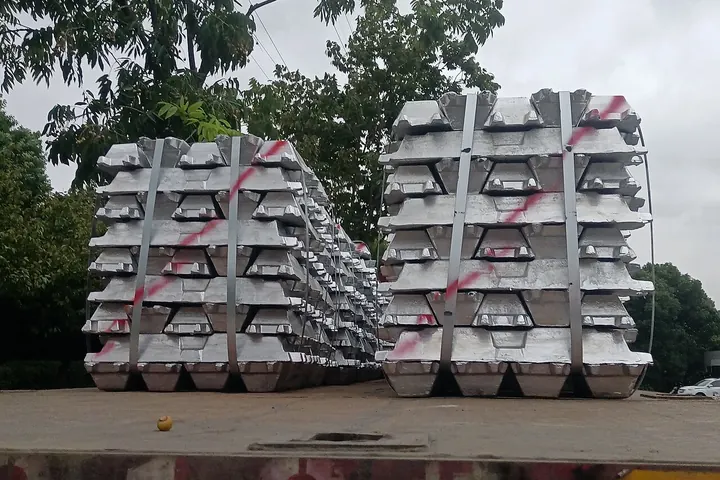
Aluminium
Ingots, profiles, sheets, structures
-
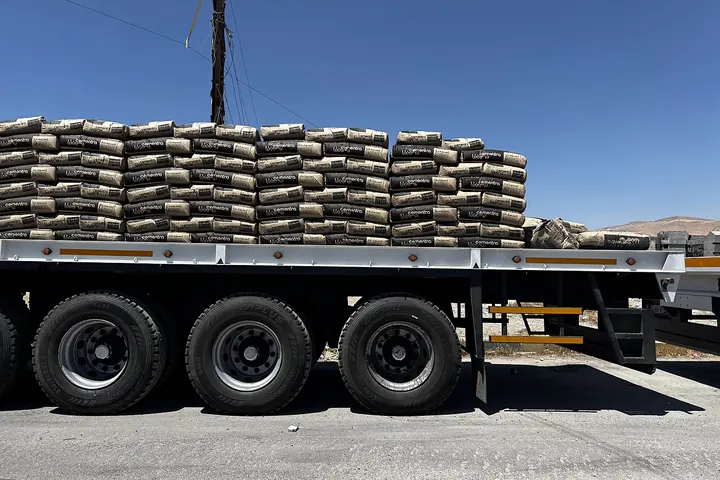
Cement
Clinker and cement
-
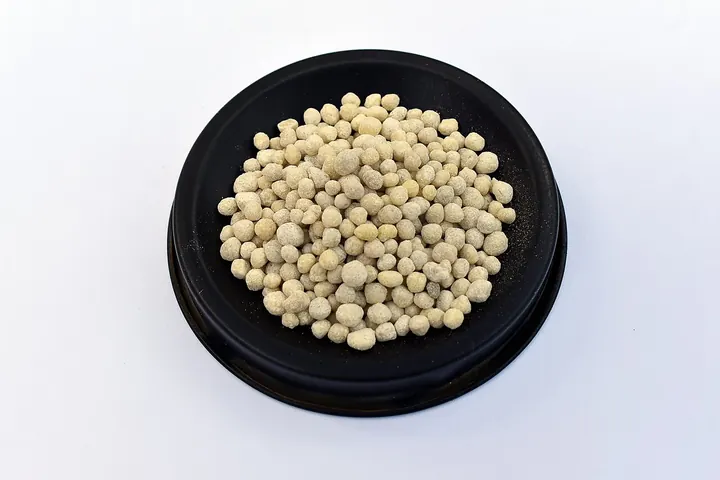
Fertilisers
Ammonia, urea, nitric acid, mixed fertilisers
-
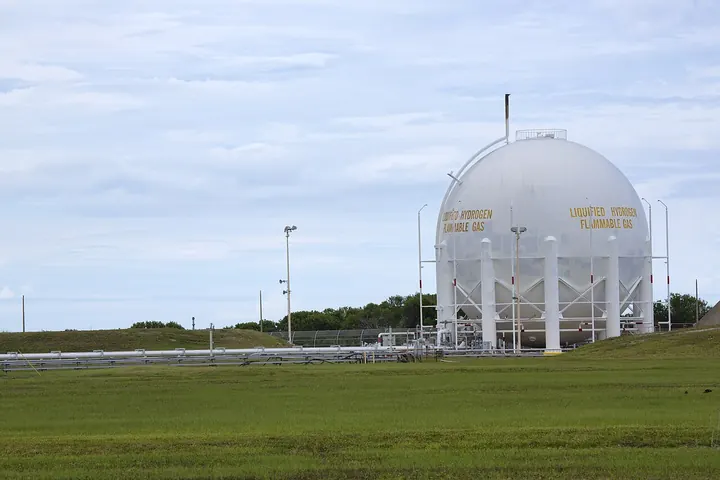
Hydrogen
No threshold: always authorisation
-
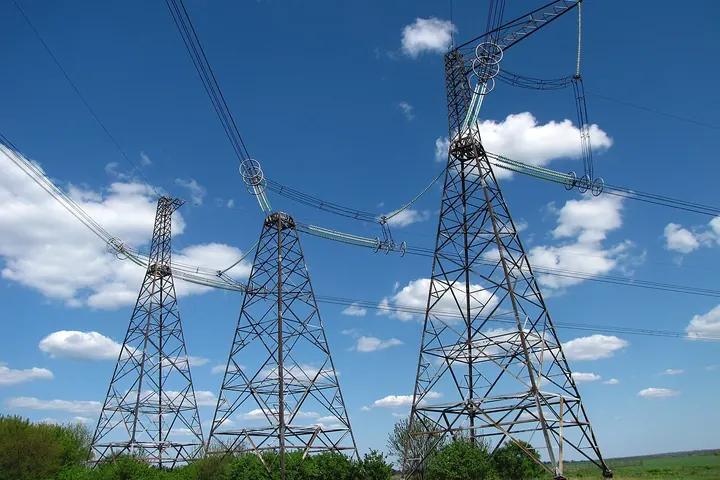
Electricity
No threshold: always authorisation
Not sure about your goods?
Whether a product falls under CBAM depends on its CN code in Annex I of the regulation. The 50 tonnes count across all your CBAM goods together, except hydrogen and electricity.

The threshold
50 tonnes a year.
Below it, CBAM does not apply to you. Above it, you need authorisation before you import. Hydrogen and electricity have no threshold.
What CBAM asks
An EU levy on the CO2 emitted in making goods you import from outside the EU, so that they pay the same as goods made in the EU. Above the threshold, you arrange three things.
-
1
Authorisation
As an authorised CBAM declarant, applied for in the EU CBAM registry before you import. Your indirect customs representative can be the declarant for you, with its own authorisation.
-
2
Emissions per installation
How much CO2 was emitted in making your goods, reported by your supplier and checked by a verifier. Otherwise you use default values with a mark-up.
-
3
An annual declaration with certificates
By 30 September, for the year before: the quantities, the emissions and the CBAM certificates you surrender for them.

Per installation
The emissions come from your supplier
For every plant your goods come from you need the actual emissions, or you use the default value with a mark-up. Orin asks your suppliers for that data, reads their report in the Commission's template and keeps track, per installation, of what has been verified.
Self-test in three questions
See straight away what CBAM asks of you.
Your outcome
Choose your goods
Answer the three questions. You see straight away whether CBAM applies to you and what you have to arrange.
CBAM does not apply to your goods
CBAM covers iron and steel, aluminium, cement, fertilisers, hydrogen and electricity. The Commission wants to add steel and aluminium products from 2028, but that is not law yet.
How much do you import?
Answer question 2. Below 50 tonnes a year, CBAM does not apply to you.
Above the threshold
You need authorisation as a CBAM declarant. Answer question 3: do you have it?
No threshold for your goods
For hydrogen and electricity you always need authorisation, however little you import. Answer question 3: do you have it?
Exempt below 50 tonnes
You need no authorisation, declaration or certificates. You state the exemption in your customs declaration. Keep track of your total for the year: once you go over, every obligation applies to everything you imported that year.
We count it for you
From your customs declarations for the past year we count your CBAM goods per CN code. Then you know whether you are above 50 tonnes and need authorisation.
30 September 2027
That is when you file your first annual declaration, for 2026, and surrender the certificates. Collect the emissions per installation from your suppliers now: without them you use default values with a mark-up.
Wait for your authorisation
If you applied by 31 March 2026, you may import until the authority decides. If you applied later, you import above the threshold only once your authorisation is granted. The decision can take up to 120 days.
Authorisation first
Above the threshold you may only import as an authorised CBAM declarant, or through an indirect customs representative who is one. Importing anyway risks a penalty of three to five times €100 per certificate, over the whole year.
An indication based on your answers, not legal advice.
Let Orin work it outWhen CBAM applies to you
In 321 days
30 September 2027
Your first annual declaration, for 2026: quantities, emissions per installation and the certificates you surrender. Then every year by 30 September.
Already started
1 January 2026
Above 50 tonnes a year, you may only import as an authorised CBAM declarant. Everything you have imported since counts in your first declaration.
Certificates
1 February 2027
Certificates for 2026 go on sale, at the average CO2 price per quarter. From 2027, at the end of every quarter you already hold certificates for at least half the emissions so far.
Without data you pay more.
Suppliers outside the EU have to measure their emissions per installation and have them checked. That takes months. Start in September and you will be using default values.
- 01
Default values cost more. Without actual emissions you use the default value for the country of origin, plus a mark-up that rises every year.
- 02
A penalty without authorisation. Import above the threshold without authorisation and you pay three to five times €100 per certificate, on the whole year's emissions.
- 03
A penalty per certificate. Surrender too few certificates on 30 September and you pay a penalty for every missing certificate, and still surrender them.
Orin CBAM check
The CBAM check: we work it out for you
You do not have to master the regulation yourself. Orin counts your CBAM goods from your own declarations and asks your suppliers for their emissions.
-
Step 1
Your imports
From twelve months of customs declarations, your forwarders' too, we take your CBAM goods per CN code and country of origin.
-
Step 2
Your threshold and authorisation
We count your tonnes per year, so you know whether you are above 50 tonnes and need authorisation.
-
Step 3
Your suppliers
Suppliers get only the questions still open, on a page of their own: installation, emissions, verification report.
-
Step 4
Your annual declaration
Orin assembles your declaration with the number of certificates. You or your representative enter it in the CBAM registry.
Self-test
Free
Three questions, one minute. You get a first indication of whether CBAM applies to you and what you have to arrange.
- An indication based on your own answers
- No count per CN code
- Online, straight away
CBAM check
Tailored
Orin works out your full CBAM position from your own declarations and suppliers. You receive a quote first, based on the number of declarations and suppliers.
- Your CBAM goods per CN code and country of origin
- Your tonnes per year, against the 50-tonne threshold
- A first estimate of your certificates and costs
- You go through the outcome with a specialist
Frequently asked questions
- We import less than 50 tonnes. Do we need to do anything?
- You need no authorisation, declaration or certificates; you state the exemption in your customs declaration. Keep track of your total across all your CBAM goods together. Once you go over, every obligation applies to everything you imported that year, including what is already in.
- Can my forwarder file the declaration?
- Yes, as an indirect customs representative with its own authorisation as a CBAM declarant: the forwarder then takes on the obligations. If your forwarder only does the work for you, you remain responsible. In Orin your forwarder can prepare the declaration and you approve it.
- What if my supplier provides no emissions data?
- Then you use the default value for the country of origin, with a mark-up of 10% for 2026, 20% for 2027 and 30% from 2028 (fertilisers 1%). That usually costs more than the actual emissions.
- What do the certificates cost?
- The price follows the CO2 price in the EU emissions trading system: for 2026 the average per quarter, between €75 and €83 a tonne in the first three quarters, from 2027 per week. You pay only for the share EU manufacturers do not get for free. That share is small in 2026 and grows until 2034.
- Does Orin file the declaration?
- No. The CBAM registry does not yet accept declarations from software. Orin assembles your declaration and delivers it as a file. You or your representative enter it in the registry and record the reference in Orin.
- Will more products come under CBAM?
- The Commission proposed adding about 180 steel and aluminium products from 1 January 2028. Council and Parliament are still negotiating it. It is not law yet.
Talk to a specialist
321 days to go. Start today.
CBAM runs every year. Start today.
In a 30-minute introduction we go through your imports and suppliers. Then you receive a quote for your CBAM check.
Photo credits
Photos via Wikimedia Commons, cropped: Iron and steel Arosset (CC BY-SA 4.0), Aluminium Fumikas Sagisavas (CC0), Cement Alex.Simon89 (CC BY 4.0), Fertilisers Suyash Dwivedi (CC BY-SA 4.0), Hydrogen TomFawls (CC BY-SA 3.0), Electricity Novoklimov (CC0), Quay Basilicofresco (CC BY-SA 4.0), Blast furnaces Aciarium (CC BY-SA 4.0), Steel plant Jeff Kubina (CC BY-SA 2.0).


